
Short version: a dog friendly hotel suits a dog that’s sociable, well-travelled and happy in a room; a dog friendly cottage suits almost everyone else, plus anyone wanting a garden, a kitchen and the freedom to actually relax rather than manage the dog through communal spaces. Here’s the honest breakdown, not the marketing version.
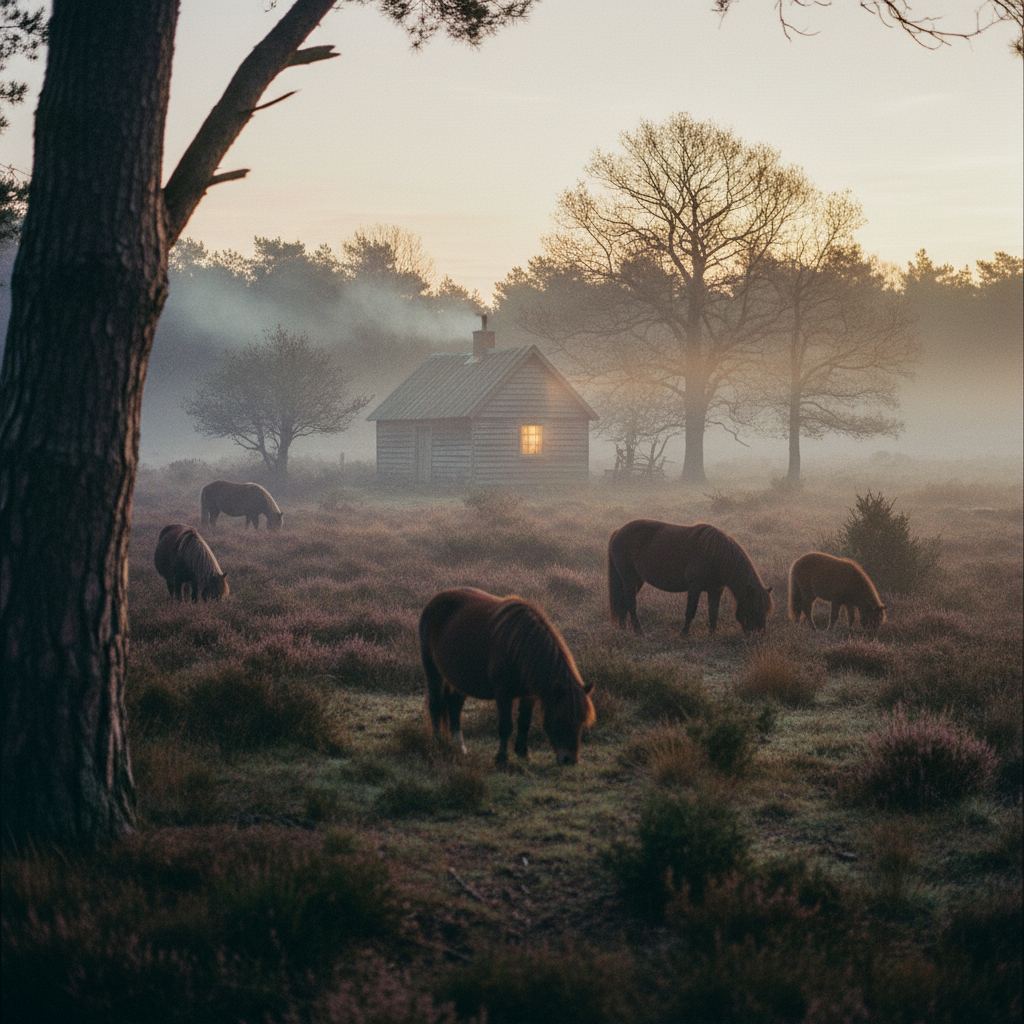
What’s actually different between a dog friendly hotel and a cottage?
A hotel gives you a room, shared corridors, a dining room and reception staff who deal with problems for you. A cottage gives you a self-contained space — usually with a garden, always with your own front door — and nobody to hand a problem to if something goes wrong at 11pm. That trade-off, more than the price or the star rating, is what actually decides which one suits a given dog and a given owner.
| Dog friendly hotel | Dog friendly cottage | |
|---|---|---|
| Freedom | Lead on in communal areas; managed access to outside space | Own garden, own front door, off-lead the moment you step out |
| Cost | Cheaper per room for 1–2 people; per-dog fee on top | Flat rate covers the whole party and dog; better value for groups or longer stays |
| Space | One room, shared corridors and dining | Whole property to yourselves, usually with a garden |
| Who it suits | Confident, well-travelled dogs; short stopovers | Nervous dogs, families, multiple dogs, longer stays |
None of this makes one option universally “better” — it makes them suited to different trips, which is the whole point of choosing deliberately rather than booking whichever comes up first in a search.
Cost: which is genuinely cheaper?
It depends on party size more than anything else. A hotel room is typically priced for one or two adults, with a flat per-dog fee added on top — often £15–£30 a night regardless of the dog’s size. For a couple on a one-night stopover, that can work out cheaper than a whole cottage. For a family, a group, or any stay longer than a couple of nights, a cottage’s flat nightly rate — covering everyone, dog included, with no extra per-head charges — is usually the better-value option, especially once you factor in that a cottage kitchen means you’re not paying restaurant prices for every meal.
Freedom and space: no contest, really
This is where cottages win decisively for most dogs and most owners. A cottage with an enclosed garden means your dog can be let out for a wee at 6am without a lead, a lift, or getting dressed first — something hotel guests simply don’t get. There’s no need to manage a dog through a lobby full of strangers, no worry about barking disturbing the room next door through a shared wall, and no requirement to keep a lead on in communal areas at all times. A tired, muddy dog after a beach walk is also a cottage’s natural habitat — a boot room or utility space to hose off paws beats trying to sneak a soaking wet dog through a hotel reception.
Hotels do offer one kind of freedom cottages can’t: you can walk downstairs to dinner without worrying who’s watching the dog, provided the hotel allows dogs in the dining room or bar, which increasingly many do. If an evening out without cooking is the whole point of your trip, that convenience is real.
Which suits which kind of dog?
- Confident, sociable dogs used to travel, lifts, other dogs and general bustle can do genuinely well in a good dog friendly hotel, and some — particularly country house hotels with dog walking grounds — do it very well indeed.
- Nervous, reactive, or noise-sensitive dogs are almost always better off in a cottage. Unfamiliar corridors, other dogs at close range, lift doors and constant footsteps outside the room are a lot to ask of a dog that struggles with any of that at home.
- Older or less mobile dogs tend to do better with ground-level access and a garden rather than stairs, lifts and a walk to a designated dog-relief area — another point in the cottage column.
- Puppies mid-training benefit from a private, contained space where an accident isn’t a five-star-hotel emergency, and where you’re not relying on them holding it through a lift ride at 2am.
Can a dog be left alone in either option?
This is one of the biggest practical differences. Most dog friendly hotels explicitly ask guests not to leave dogs unattended in the room — partly welfare, partly because housekeeping and other guests share the building. That means dinners out, or any activity that doesn’t include the dog, usually mean taking it with you or not going.
A cottage changes that equation. A dog that’s genuinely settled and crate- or space-trained at home can usually be left for a couple of hours in a familiar-feeling private space, with no other guests to disturb and no housekeeping needing to enter. It’s not a green light to leave any dog for hours unsupervised in an unfamiliar place — that’s still a real risk for a dog that isn’t used to it — but the option exists in a way it simply doesn’t in most hotels.
What about the walking itself?
Neither format changes the walking on offer in a region — that’s down to where you book, not what kind of building you’re staying in. What does change is how the walk starts and ends. From a cottage with direct garden or field access, a walk can begin the moment you open the door. From a hotel, there’s usually a car park, a road, or at minimum a walk down through reception before the actual countryside begins. If your dog’s the type that needs to burn off energy first thing, a cottage’s zero-friction start to the day is worth more than it sounds.
Are there hidden costs to watch for either way?
Yes, on both sides. Hotels sometimes cap dog numbers at one per room regardless of size, add a cleaning supplement after checkout, or restrict dogs to certain room types — ground-floor only, say — which can sell out first. It’s worth checking the actual dog policy rather than trusting a “dog friendly” badge on a booking site, since the badge alone tells you almost nothing about the specifics.
Cottages have their own version: some charge per dog rather than a flat pet fee, some cap the number allowed regardless of the garden size, and a few list themselves as dog friendly while actually meaning “tolerated” rather than genuinely welcomed — no boot room, no throws on the furniture, an owner who’d clearly rather you hadn’t brought one. Read recent reviews specifically for dog mentions before booking either format; they tend to surface the gap between the label and the reality faster than the listing copy does.
Does check-in flexibility matter for a dog?
More than people expect. A hotel’s fixed check-in time can mean a dog stuck in the car, or on a lead in reception, while you wait for a room to be ready — awkward with a big or anxious dog and a full lobby. A cottage’s self-check-in, increasingly common via a keysafe or lockbox, lets you get the dog settled, fed and let into the garden the moment you arrive, without a wait in an unfamiliar space full of strangers. It’s a small detail, but on a long drive day with a restless dog in the back, it’s the difference between a smooth arrival and a stressful one.
So which should you actually book?
For a single night, a couple travelling light, or a stopover where dinner out matters more than a garden, a good dog friendly hotel is a genuinely pleasant option — check specifically that dogs are welcome in the areas you’ll actually use, not just the bedroom. For anything longer, for families, for multiple dogs, or for any dog that finds new environments stressful, a cottage is the safer and usually the better-value choice by a clear margin.
If a cottage is the answer, our dog friendly cottages collection only includes places we’ve checked for a genuinely enclosed garden, walks from the door, and no punitive per-dog surcharge hidden in the small print. If you want a specific region to start with, the dog friendly cottages in the Lake District combine that private-garden freedom with some of the best dog walking country in England.
The one question worth asking before you book either
Ask exactly what “dog friendly” covers at that specific property — number of dogs allowed, any size or breed restriction, which rooms or areas dogs can access, and whether there’s a supplement. The label means something different at almost every hotel and cottage in the country, and the honest answer to “hotel or cottage” is whichever one, on the specifics, actually says yes to your dog rather than just the word “dog friendly” in the listing title.