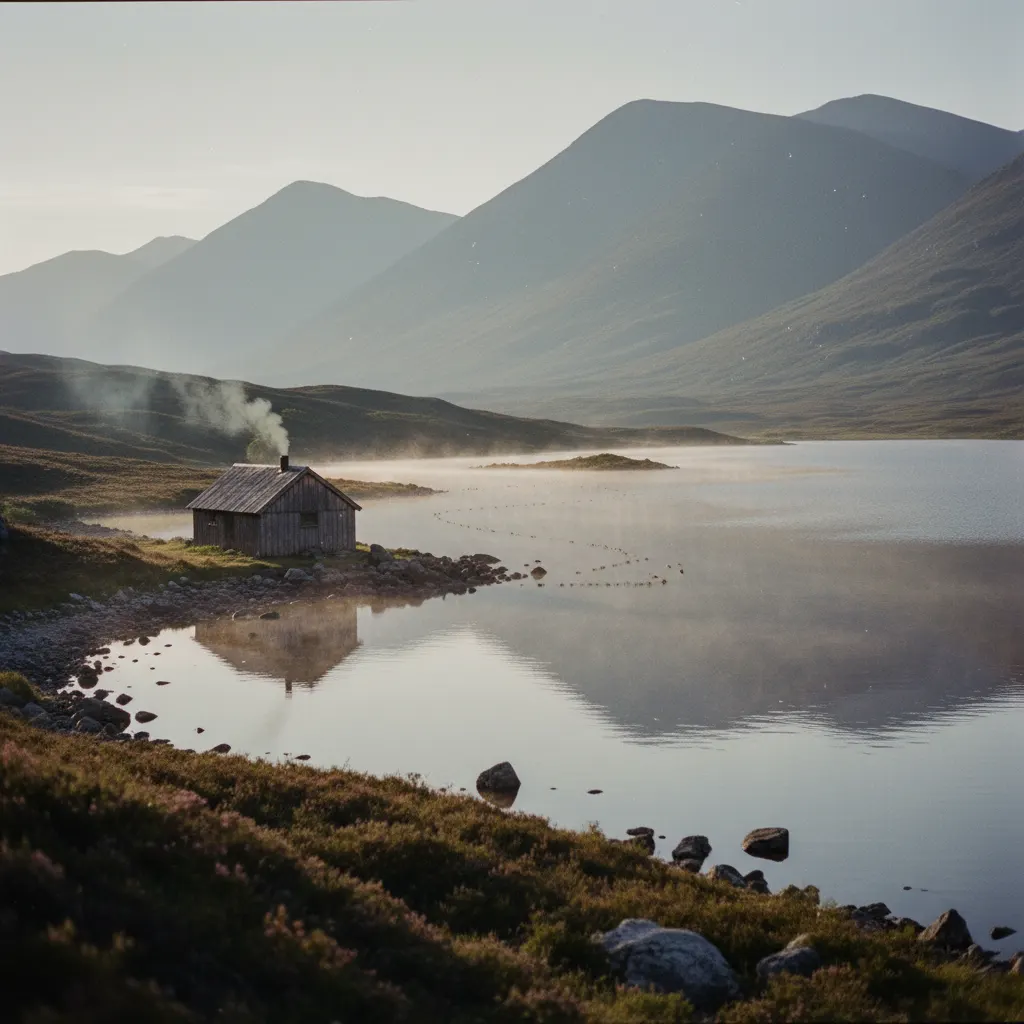
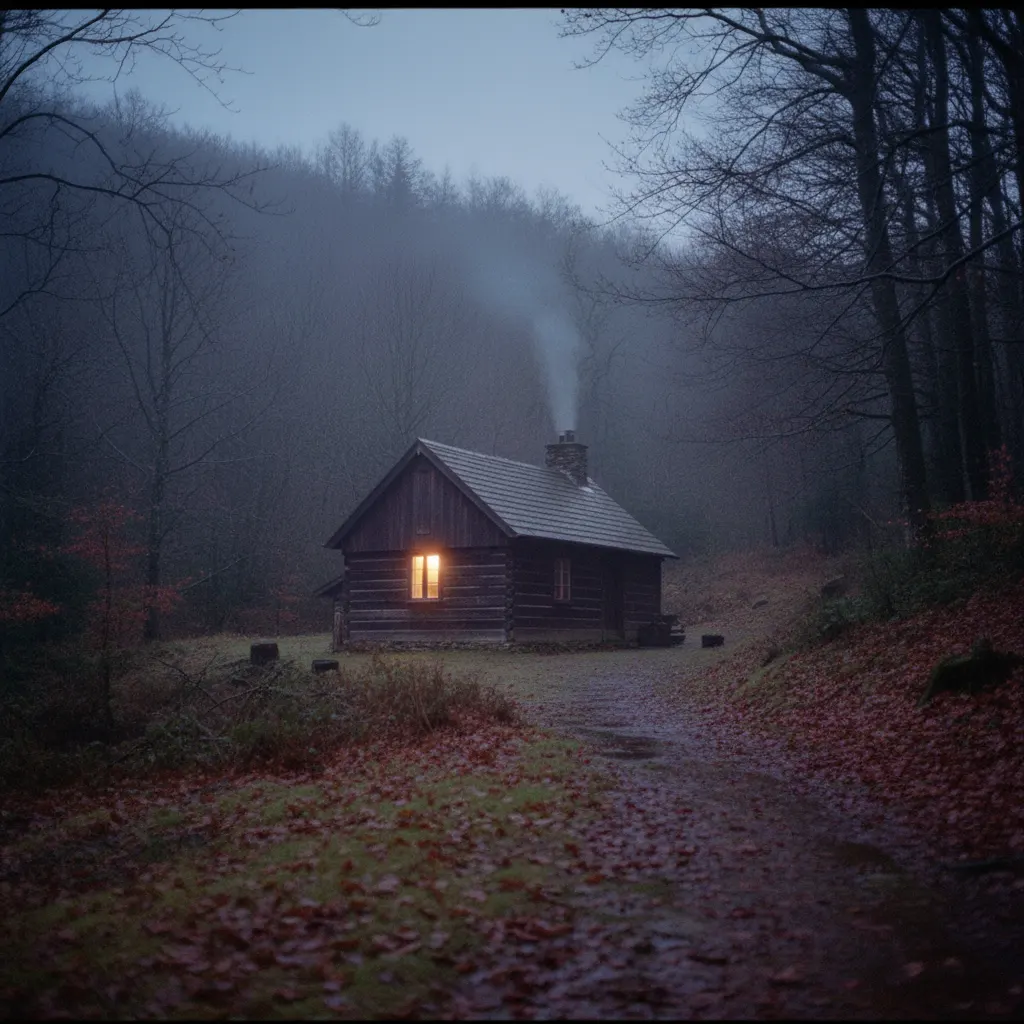
A log cabin holiday works because the building does something a stone cottage cannot: timber holds warmth differently, so a cabin with the wood-burner going smells of the fire before you are even through the door, and stays warm in a way that feels earned rather than piped in from a boiler somewhere out of sight. The best log cabins in the UK keep the same shape whatever the brochure calls them — solid timber walls, a proper burner rather than a fake stove, a kitchen big enough to cook a real dinner in, and grounds that are actually woodland rather than a car park with a few trees round the edge. Log cabin holidays are, at heart, an argument for doing less: a stack of logs by the door, no itinerary, and a weekend built around getting the fire going and staying near it. As self-catering accommodation, a log cabin earns its keep on a hot tub break: spacious enough for a family, quiet enough for two, and deep in the countryside, with many sitting in or beside a national park. A hot tub holiday here is really lodges with hot tubs done in the right setting, which is why the log cabins with hot tubs go first.
The naming is looser than it should be. Providers use log cabin, lodge and woodland lodge almost interchangeably, and mostly the words are pointing at the same kind of building. What actually varies is finish and size, not the material: a lodge tends to be bigger and better insulated and priced accordingly, while a log cabin can be a genuine old timber building with modern plumbing bolted on, or a kit-built new-build that looks the part from the outside. We use log cabin here for anything built properly in timber, wherever it sits on that scale, and note in each listing whether it reads more like a lodge or the plainer, older thing.


.jpg)