
Short version: “log cabin” describes what it’s built from, “lodge” describes the kind of stay it is — and in real UK listings the two words overlap so often that the only way to know what you’re actually booking is to read past the headline.
What does “log cabin” actually mean?
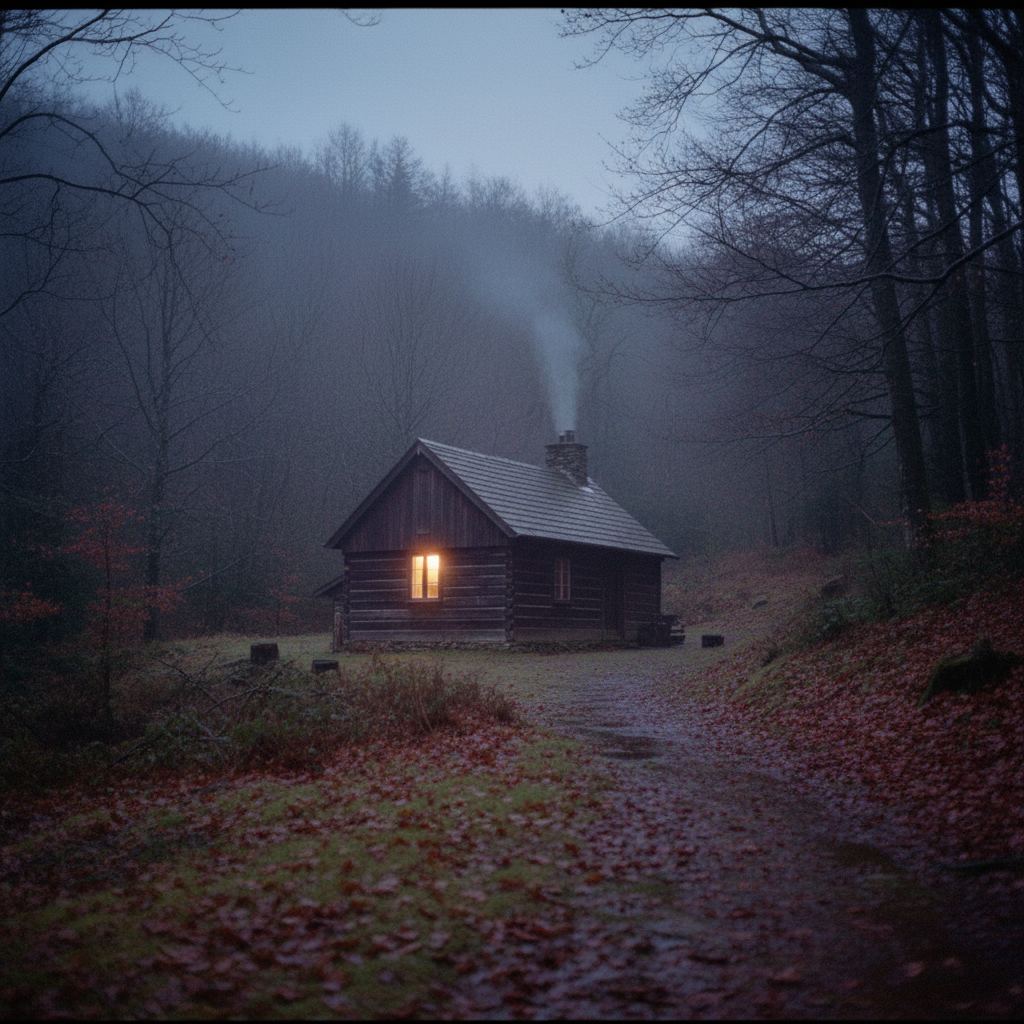
Traditionally, a log cabin is built from horizontal timber logs — solid wood or laminated timber, stacked and interlocked, giving that distinctive ridged exterior and warm, timber-lined interior. It’s a construction method as much as a style. In UK holiday lets, the term gets used a bit more loosely than that, sometimes applied to any timber-framed unit with a cabin-ish look, so don’t assume solid log walls just because the listing says “cabin” — check the description or ask the owner if it matters to you.
What does “lodge” actually mean?
“Lodge” is looser again, and in UK holiday-park land it usually refers to the type of stay rather than the building material: a detached, self-contained unit, often on a small development of similar units, frequently single-storey or with a mezzanine, and very often built around a hot tub and a view. Lodges can be timber-clad and look almost identical to a log cabin from the outside — the word is doing more marketing work than construction description at that point.
So what’s actually different between them?
Here’s the honest breakdown, based on how the words are used across UK holiday-let listings rather than any strict rulebook — because there isn’t one:
| Log cabin | Lodge | |
|---|---|---|
| What the word describes | Construction (timber logs) | Type of stay (self-contained unit) |
| Typical setting | Standalone, woodland or rural | Often part of a small development |
| Hot tub | Common, not universal | Very common, often the headline feature |
| Interior feel | Rustic, timber-lined, cosy | Varies — can be rustic or quite contemporary |
| Best suited to | Couples or families wanting a “cabin in the woods” feel | Couples or small groups wanting comfort + a tub |
| Price driver | Location and size | Location, hot tub, and development amenities |
Which one should you actually book?
If the phrase “cabin in the woods” is doing something for you — if you want timber walls, a wood burner, and the sense of being tucked away from everything — search for log cabins and read the listing to confirm the hot tub situation, since it’s not guaranteed. If what you actually want is a hot tub, good views and dependable comfort, and you don’t much care what the walls are made of, search lodges instead; that’s the audience the word is aimed at, and the tub is more often included as standard.
Don’t book on the word. Book on the photo of the hot tub and the postcode — they tell you more than “cabin” or “lodge” ever will.
Does it matter for privacy and space?
A little. Lodges on a development, even a nicely spaced one, usually mean neighbours within sight or earshot — fine for most trips, worth knowing if total seclusion is the point of yours. Standalone log cabins more often sit alone on their own plot, which is part of the appeal but also means you’re further from a shop or pub if that matters with kids or an early start. Neither is better — it depends what you’re actually optimising for on this particular trip.
Does being on a development change the actual holiday?
More than the word choice does. A lodge on a managed development usually means an on-site reception, sometimes a small shop or a shared leisure building, and staff on hand if something goes wrong with the hot tub at 9pm on a Saturday. That’s real peace of mind with young kids or on a first trip to an unfamiliar area. A standalone cabin trades that safety net for genuine quiet and privacy — no other guests wandering past your window, no shared car park, just you, the trees, and whatever wildlife turns up at dusk. Neither is the “better” holiday-let; they’re just different shapes of getaway, and it’s worth being honest with yourself about which one you’ll actually enjoy more once you’re there.
Where to start looking
Browse our log cabins collection if the timber-and-woodsmoke version of a UK break is what you’re after — we’ve filtered for genuine cabin construction and flagged which ones include a hot tub rather than leaving you to dig through the small print. If the hot tub is the whole point of the trip and the building style is secondary, go straight to hot tub lodges instead; it’s a more direct route to what you actually want.
Does group size change which one you should pick?
Yes, more than the cabin-versus-lodge question itself. Log cabins tend to be built for two to four, in keeping with that intimate, tucked-away feel — plenty go smaller still, aimed squarely at couples. Lodges, especially on larger holiday parks, scale up more readily to six, eight, or occasionally more, often with a second bedroom in a mezzanine or annexe. If you’re travelling as a group rather than a couple, search lodges first; you’ll waste less time filtering out places that were never going to fit everyone.
What about winter — does one heat better than the other?
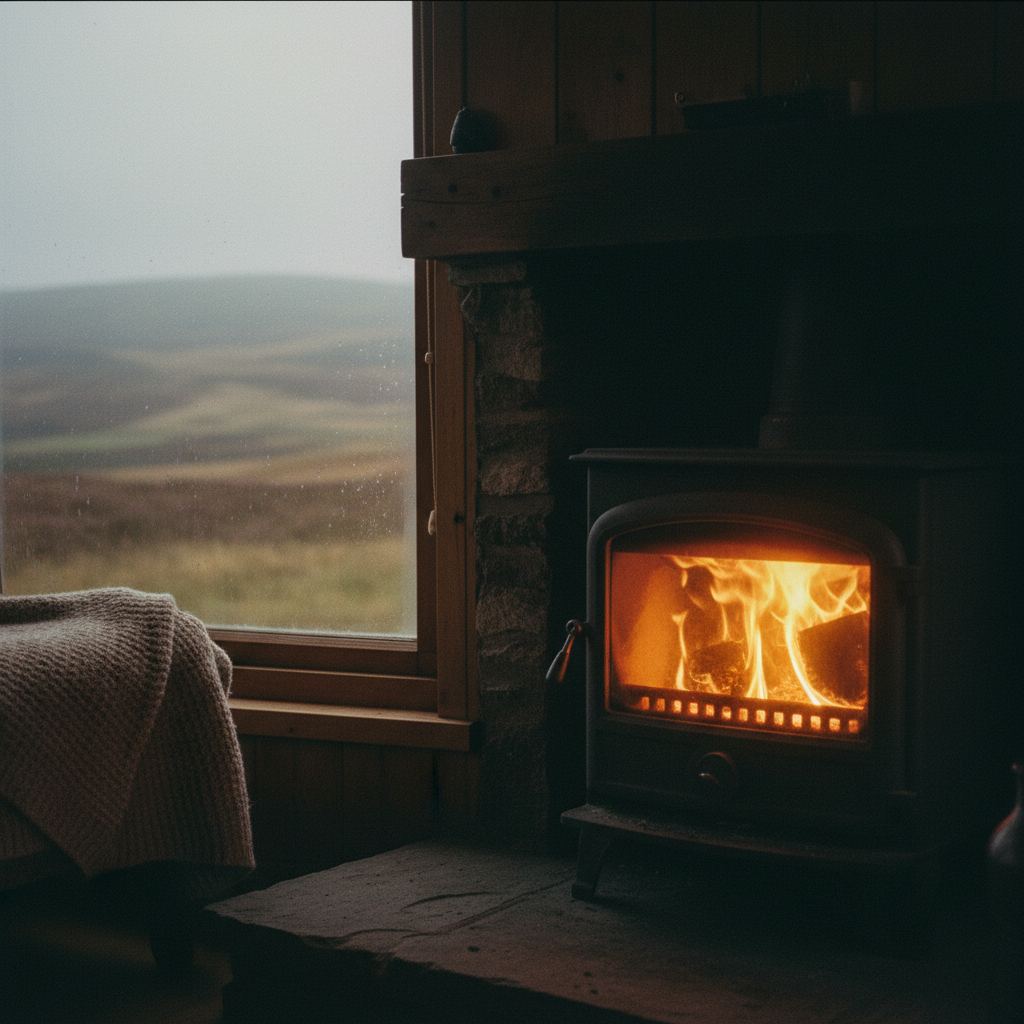
Both can be excellent in winter, but check the heating spec rather than assuming timber walls mean cosy by default. A well-insulated modern cabin with proper double glazing and a wood burner will hold heat beautifully; an older or more rustic one, chosen purely for the aesthetic, can be draughtier than it looks in photos. Lodges on managed developments more often run on year-round central heating alongside any wood burner, which takes the guesswork out of a January booking. If you’re planning a cold-weather trip specifically for the wood burner experience, ask the owner directly how the place performs in December — they’ll know, and it’s a fair question to ask.
Where did the terms even come from?
“Log cabin” has genuine history behind it — a construction method that arrived with settlers and spread through forested regions long before it became a holiday-let buzzword, and that heritage is exactly why the phrase still conjures something specific: solid timber, simplicity, a sense of shelter. “Lodge” has a looser, more varied past — hunting lodges, ski lodges, garden lodges — united mainly by the idea of a modest, purpose-built retreat rather than any particular material. Modern UK holiday-let marketing borrows freely from both histories, which is exactly why the words blur together on booking sites today.
The one question worth asking before you book either
Ask what’s included with the hot tub — towels, robes, log burner fuel, and crucially whether it’s private to your stay or shared with another unit. It’s the detail that varies most between listings calling themselves cabins or lodges, and the one that most affects how the trip actually feels once you’re there.