Snug Hideaways
Menu
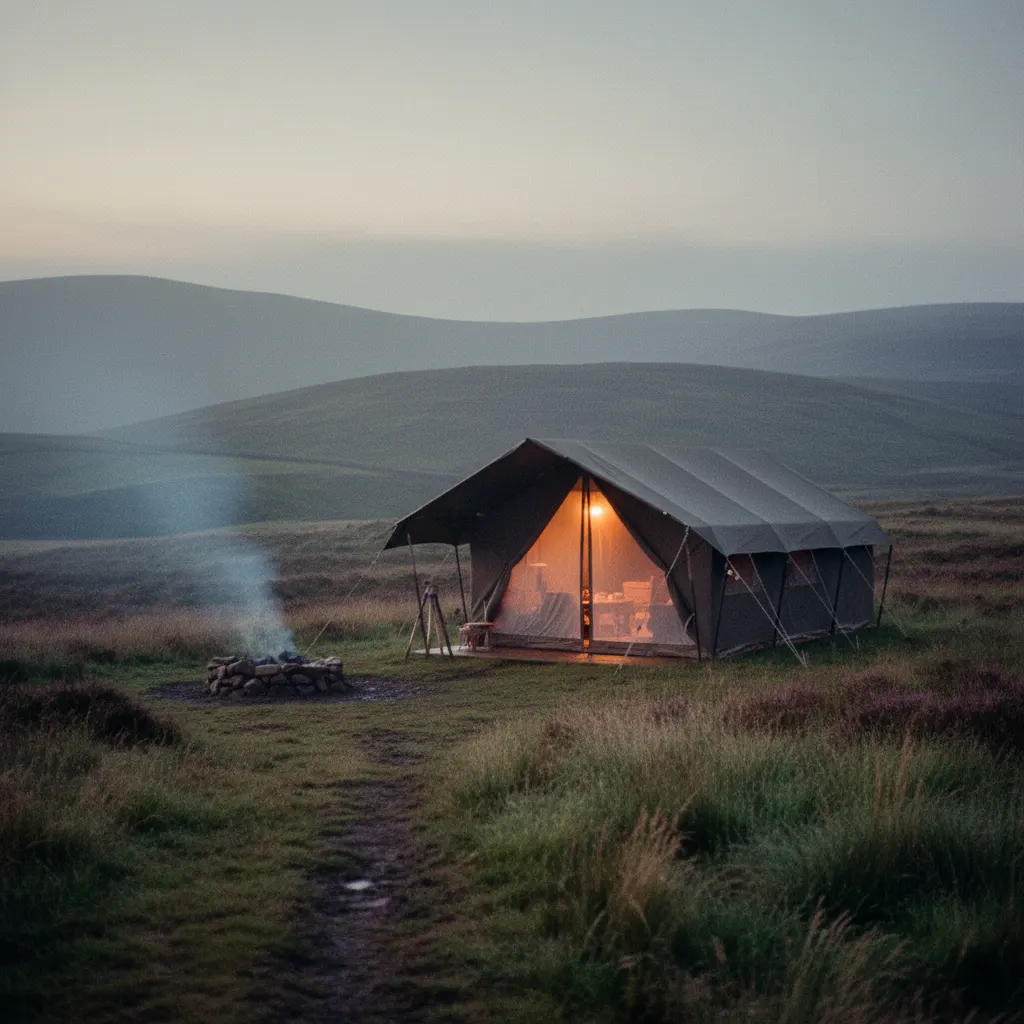
Lantern-lit glamping safari tent in a UK field at dusk

CURATED · CANVAS WITH A PROPER BED

Glamping in the UK

Safari tents, yurts, geodesic domes and camping pods — the outdoors with a proper bed, a wood-burner and, more often than not, a hot tub or jacuzzi on the deck.

Snug picks

The glamping stays we'd book ourselves.

№ 01

Cysgod Y Nos — glamping in Wales

Cysgod Y Nos

Ad · booking on holidaycottages.co.uk

Wales · Glamping

sleeps 2 · 1 beds

from £373 / wk≈ £53 a night

Just the two of you

  • Sea view
View & book on holidaycottages.co.uk

Checked against the Snug test · Booked on holidaycottages.co.uk · No fees added

Price seen 27 Aug 2026; live prices and dates on holidaycottages.co.uk — nothing to sign up for here

№ 02
Thimble Lodge — glamping in Cornwall

Thimble Lodge

Ad · booking on holidaycottages.co.uk

Cornwall · Glamping

sleeps 2 · 1 beds

Just the two of you

  • Log burner
  • Dog friendly

from £399 / wk≈ £57 a night

View & book on holidaycottages.co.uk

Checked against the Snug test · Booked on holidaycottages.co.uk · No fees added

Price seen 27 Aug 2026; live prices and dates on holidaycottages.co.uk — nothing to sign up for here

№ 03
Coppy House Lodge — glamping in Yorkshire

Coppy House Lodge

Ad · booking on holidaycottages.co.uk

Yorkshire · Glamping

sleeps 2 · 1 beds

Just the two of you

  • Dog friendly

from £453 / wk≈ £65 a night

View & book on holidaycottages.co.uk

Checked against the Snug test · Booked on holidaycottages.co.uk · No fees added

Price seen 27 Aug 2026; live prices and dates on holidaycottages.co.uk — nothing to sign up for here

№ 04
Stargazy Cabin — glamping in Cornwall

Stargazy Cabin

Ad · booking on holidaycottages.co.uk

Cornwall · Glamping

sleeps 2 · 1 beds

Just the two of you

  • Hot tub
  • Log burner
  • Dog friendly

from £496 / wk≈ £71 a night

View & book on holidaycottages.co.uk

Checked against the Snug test · Booked on holidaycottages.co.uk · No fees added

Price seen 27 Aug 2026; live prices and dates on holidaycottages.co.uk — nothing to sign up for here
№ 05
Whitecroft Lake — glamping in Devon

Whitecroft Lake

Ad · booking on holidaycottages.co.uk

Devon · Glamping

sleeps 2 · 1 beds

Just the two of you

  • Hot tub
  • Sea view
  • Dog friendly

from £501 / wk≈ £72 a night

View & book on holidaycottages.co.uk

Checked against the Snug test · Booked on holidaycottages.co.uk · No fees added

Price seen 27 Aug 2026; live prices and dates on holidaycottages.co.uk — nothing to sign up for here
The register

Where they are

2 regions, every listing checked against the Snug test before it appears.

Where each region sits: 2 UK regions with glamping staysNORTHCornwallScotland
Schematic — pins show roughly where each region is, not exact locations. Full list with photos below.

Read before you book

Glamping Pods Explained: What You're Actually Booking

A glamping pod isn't a tent and isn't a lodge — it's in between. Here's what's inside one, insulated vs basic, and whether you'll get a hot tub.

Read the field guide

What glamping means

What glamping actually means, and how much it varies

Glamping in the UK is one word doing the work of five different structures, and the differences matter more than the marketing photos suggest. A safari tent is canvas over a timber frame, usually with a proper double bed, rugs and a wood-burner in one corner — the closest thing to a hotel room made of fabric. A yurt is the same idea from a different tradition: circular, with the stove sitting under a smoke hole in the middle rather than tucked against a wall. A geodesic dome swaps canvas for a rigid frame and clear panels, built so you can watch the sky from bed rather than just hear rain on it. Bell tents are the simplest end — one pole, canvas walls, a proper mattress instead of a groundmat, but not much more insulation than ordinary camping. Camping pods sit at the other extreme: timber-clad and insulated, closer to a tiny cabin than a tent, and the reason some people search glamping who would never actually camp.

What "the outdoors with a proper bed" actually buys you is real linen, real furniture and four walls of experience without four walls of soundproofing. Canvas breathes, and that is mostly the point — you hear wind and birds rather than an extractor fan — but it also means a heavy downpour on a safari tent roof is genuinely loud, and the join where groundsheet meets canvas is where a draught gets in even with the stove lit. We check what is actually under the bed and around the edges of the tent before we trust any photo of the furnishings, because a beautifully dressed interior on a cold, gappy structure is a miserable night regardless of the throws. At its best, glamping is a proper getaway rather than a compromise: an outdoor retreat with real comfort, and a hot tub for relaxation once the walking is done. A good glamping site tends to be dog friendly, and whether it is a lone field or a bigger holiday park, glamping with hot tub accommodation is the version people ask for most.

Region by region

Best regions for glamping in the UK

Glamping in Scotland covers the widest range of scenery of anywhere on this list — a geodesic dome on a Highland hillside with nothing between you and the stars, a yurt on the shore of a loch, or a safari tent in birch woodland an hour from the nearest village. It also has the most changeable weather of any region here, so a stove that actually heats the space, not just decorates it, is worth checking before anything else. Glamping in Wales gives you the same drama at a gentler pace — valleys, waterfalls and coast path within a short drive of most sites — and tends to book up a little less far ahead than Scotland's best-known spots.

Further south, Cornwall pairs a bell tent or safari tent with a beach the next morning and a coast path the day after that, though the best sites go early over summer. Yorkshire — the Dales in particular — does the same wild-valley feeling for less, and Devon sits between the two, close enough to Dartmoor and the coast to do both in a weekend. If you are searching glamping near me rather than a specific county, start with whichever of these is closest — with canvas structures especially, a two-hour drive home after a wet weekend is a very different proposition to a five-hour one.

The most-searched upgrade

Glamping with a hot tub — what to actually check

Glamping with a hot tub is the single most-searched combination on this whole site, and it is worth being precise about what you are booking. The first thing to check is the same as everywhere else on Snug: is the tub private to your tent, or shared with the rest of the site. On a lot of smaller glamping fields a shared tub is booked in slots, which is fine to know in advance and miserable to discover on arrival. The second is heating — a tub that takes four hours to warm from cold is a different holiday to one kept hot between guests, and worth asking about directly rather than assuming from the listing photos.

The other question that matters more with glamping than with a lodge is insulation for the tent itself, especially outside summer. A safari tent or yurt with a good stove can be genuinely cosy in October, but a private hot tub outside a thin bell tent in November is a colder walk back to bed than the photos suggest. If you want the tub without worrying about the canvas holding heat, a glamping pod with a hot tub is the easier shoulder-season choice — insulated timber walls, proper heating, and the tub a few steps from an actual door rather than a zipped flap. Either way, ask whether the stove or heater is lit before you arrive, since a cold tent with a full tub is not much of a start to the evening.

Which type, which trip

Luxury, dog friendly, family or couples glamping

Luxury glamping now covers proper beds, en suite shower rooms built into the back of the tent, underfloor heating and sometimes a hot tub or sauna as well — a long way from a groundmat and a torch. At the simpler end, a bell tent with a stove and a real bed is still glamping, just without the extras, and often the better value for a short trip. Family glamping tends to mean safari tents or larger yurts with a second sleeping area or bunks, room to actually stand up and cook, and a site with enough ground around each pitch that a six-year-old running about does not bother the neighbours. For couples wanting something smaller and quieter, a shepherd's hut or a single-pitch bell tent usually beats a family-sized structure booked for two.

Dog friendly glamping is widely available but worth checking in detail rather than assuming — some sites allow dogs in the tent itself, others only on the decking outside, and a few cap numbers or charge a surcharge per dog per night. If woodland and height appeal more than canvas, a treehouse stay gives you a similar off-grid feel with a proper roof over your head rather than a stove doing all the work. Whatever the group, the sites that get glamping right tend to be smaller working farms or single fields with four or five structures rather than dozens, which usually means quieter evenings and an actual welcome rather than a check-in kiosk.

The honest limits

What glamping is (and isn't) good for, and what to pack

Glamping is very good at giving you a real bed, a stove and a view you would not get from a cottage window, for less than a lodge costs and with more atmosphere than a static caravan. It is not, whatever the summer photos suggest, a guaranteed warm night — canvas structures rely entirely on the stove being lit and kept fed, and a safari tent with a cold stove in April is genuinely chilly by 2am. Pack for the season you are actually travelling in, not the one in the listing photos: a proper sleeping layer, a torch for the walk to the shower block, and, if you are heading to Scotland between May and September, midge repellent — the Highlands and islands are glorious in the evening light and genuinely unpleasant for the ten minutes either side of dusk without it.

Wet-weather kit matters more here than almost anywhere else on this site, simply because getting from the tent to the shower block, the car or the fire pit involves actual grass and actual rain. Proper boots, a coat that is really waterproof rather than just showerproof, and a dry bag for phones and passports if the site is a field rather than a car park all earn their space. Most sites have shared toilet and shower blocks rather than en suite facilities, though the luxury end increasingly builds a shower into the tent itself — check which you are getting before you pack. Treat glamping as the outdoors with better sleeping arrangements, not as a hotel with canvas walls, and it delivers exactly what it promises.

Kinds of glamping

Pods, meadows and hot tub glamping across the UK countryside

A glamping holiday can mean very different places to stay, and the right one depends on how far you want to be from a plug socket. At the comfortable end, glamping pods with hot tubs and en suite shower rooms are barely camping at all — a hot tub break with canvas optional. In the middle sit safari tents and yurts in a quiet meadow, with a shared facilities block and a stove for heat. At the simple end, a bell tent on a small campsite is closest to old-fashioned camping, with the countryside doing all the work. UK glamping covers the whole span, so read the listing for what is actually included before you pack.

Two things worth checking before you book. First, wi-fi and signal — many of the best sites deep in the countryside have neither, which is a feature to some and a nuisance to others, so know which you are. Second, the evening: hot tub glamping under a clear sky makes for genuine stargazing you will not get at home, and the darker the site, the better. Dog friendly glamping is common, though a dog and a canvas tent is a muddier combination than a dog and a solid pod — check whether dogs are allowed inside the tent or only on the pitch. Get those right and a field in the middle of nowhere becomes one of the best places to stay all year.

Before you filter

Glamping: quick questions

№ 01Is glamping warm enough in winter or the off-season?

It depends entirely on the structure. Insulated pods and domes with proper heating work fine year-round. Canvas structures — safari tents, yurts, bell tents — rely on the stove being lit and fed, and quite a few sites close or reduce heating between November and February, so check before you book a shoulder-season trip.

№ 02What should I check before booking glamping with a hot tub?

Whether the tub is genuinely private to your tent rather than shared and booked in slots, how long it takes to heat from cold, and whether the tent or pod itself is insulated enough for the season. A private hot tub outside a thin bell tent in November is a colder walk than the summer photos suggest.

№ 03Is there dog friendly glamping?

Yes, widely, but check the detail. Some sites allow dogs inside the tent, others only on the decking, and a few cap numbers or charge a surcharge per dog per night — it varies a lot by provider.

№ 04What's the actual difference between a pod, a yurt and a tent?

A camping pod is an insulated timber cabin, closer to a tiny house than canvas. A yurt is circular canvas with a stove in the middle under a smoke hole. Safari tents and bell tents are canvas over a frame with a real bed and often a stove, but noticeably less insulation than a pod.

№ 05Are there proper toilets and showers, or is it a field with a portaloo?

Most sites use a shared toilet and shower block a short walk from the pitches, which is perfectly normal glamping practice. The luxury end increasingly builds a shower and toilet into the tent or pod itself — check each listing rather than assuming either way.

№ 06When is the best time to go?

May to September for canvas structures, when sites are fully open and evenings are warm enough to sit out. Shoulder season — September and October — is cheaper and still workable if the stove is good. Pods and domes with proper heating are a genuine year-round option.