
A glamping pod is a small, permanently sited timber structure — somewhere between a tent and a cabin — usually with a proper bed, often with heating and power, and increasingly with its own bathroom and even a hot tub. What you actually get varies hugely between a basic uninsulated pod and a fully kitted-out one, and the listing photos rarely make the difference obvious.
So what exactly is a glamping pod?
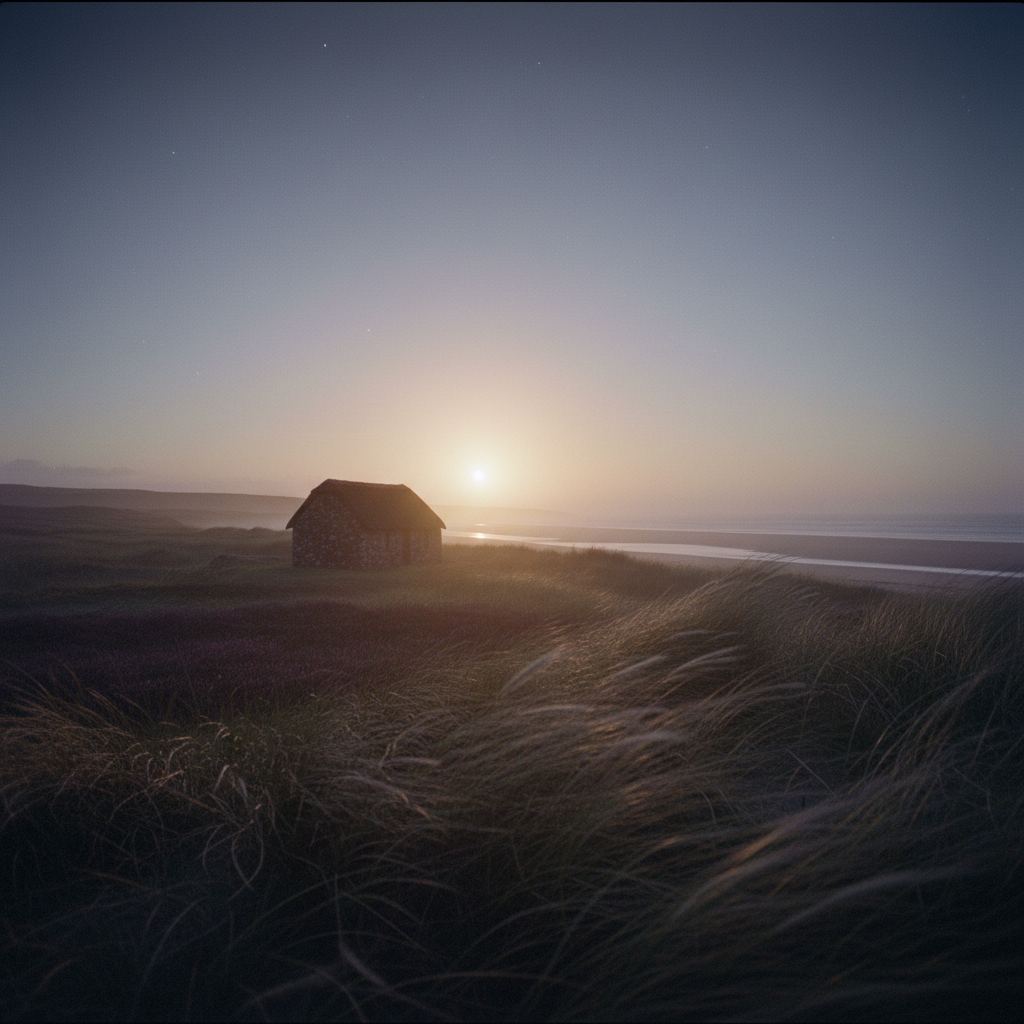
Picture a small wooden cabin, usually one room, built to sit permanently on a fixed base rather than being pitched or towed. Most are built from timber with a curved or A-frame roof — the shape that gives them their slightly camping-adjacent look — and sized for anywhere from two people up to a small family, though most are on the cosy end of that range. The idea is to keep the feel of camping — being genuinely outdoors, hearing the rain on the roof, no long corridor of identical hotel doors — while removing the parts of camping that put a lot of people off: no pitching a tent in the rain, no sleeping on the ground, and usually a proper mattress rather than a roll mat.
Because “pod” isn’t a protected or standardised term, the range under that one word is enormous. At one end: a simple timber shell with a bed and a light, no running water, and a shared shower block a short walk away. At the other: a fully insulated unit with an en suite bathroom, a kitchenette, underfloor heating and a private hot tub on the decking outside. Both get marketed as “glamping pods.” Reading past the headline photo matters more here than for almost any other UK accommodation type.
What’s usually provided inside?
At minimum, expect a proper bed (not an airbed), some form of lighting, and reasonably solid four walls and a roof. Beyond that baseline, it’s genuinely pod-by-pod:
- Basic pods: a bed, power sockets, maybe a small heater, and that’s close to it — bring your own bedding in the cheapest ones, though most now include it.
- Mid-range pods: made-up beds, an en suite shower and toilet, a kettle and basic tea and coffee, sometimes a small fridge.
- Higher-end pods: all of the above plus proper heating, a kitchenette or hob, a television, and — increasingly — a private hot tub on a small deck outside.
Always check the specific listing rather than assuming from the word “glamping” alone. Two pods on the same site can differ enormously depending on when they were built and what the owner’s invested in since.
| Tent | Basic camping pod | Insulated pod | Log cabin/lodge | |
|---|---|---|---|---|
| Weatherproofing | Depends entirely on you pitching it right | Solid roof and walls, no insulation | Fully insulated, double glazed | Fully insulated, often best-in-class |
| Bed | Roll mat or airbed | Usually a proper bed | Proper bed, often made up | Proper bed(s), made up |
| Bathroom | Shared block | Usually shared block | Often en suite | Almost always en suite |
| Best season | Summer only, realistically | Summer, shoulder seasons | Year-round | Year-round |
| Typical cost | Lowest | Low-to-mid | Mid | Highest |
The pod sits deliberately in the middle of that range, which is exactly why it’s become such a popular category — most of the comfort of a cabin, most of the “actually outdoors” feeling of a tent, at a price closer to the tent end than the cabin end.
Insulated pods vs basic camping pods — what’s the real difference?
This is the single most important distinction, and the one that gets glossed over most often in marketing photos, which tend to look cosy regardless of what’s actually keeping the cold out.
A genuinely insulated pod has proper wall and roof insulation, double glazing, and a fixed heating source — usually electric, sometimes a small wood burner. These hold heat through a cold night and are realistically bookable year-round, including a frosty weekend in January when the whole point is watching your breath fog outside a warm structure.
A basic camping pod is closer to a well-built shed: solid, dry, weatherproof against rain and wind, but with little to no insulation and often no fixed heating at all. It’s a genuine upgrade on a tent — no pitching, no groundwater seeping in, a proper door that locks — but it’s still fundamentally a summer-and-shoulder-season option. Book one for a warm July weekend and it’s a lovely change from a tent; book the same pod for a November trip expecting cabin-level warmth and you’ll have a cold, if dry, night.
The listing usually tells you which kind you’re getting if you know what to look for: “insulated,” “heated,” “year-round” and “double glazed” are the words that matter. “Cosy,” “rustic” and a nice interior photo tell you almost nothing about actual thermal performance.
Do glamping pods come with a hot tub?
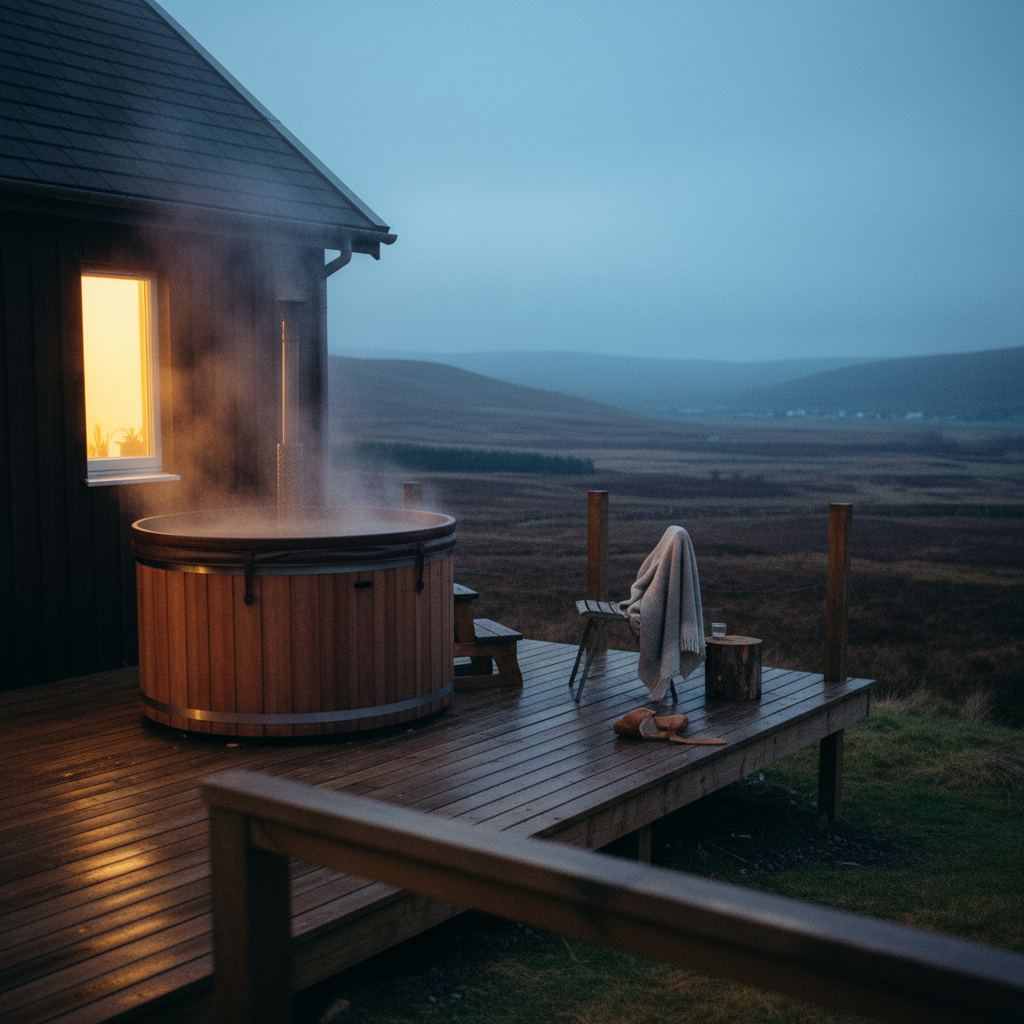
Not by default, but it’s one of the most common upgrades and increasingly close to standard on newer sites competing for the higher end of the glamping market. A pod with its own hot tub gives you almost everything a hot tub lodge offers — the private soak, the steam-rising-into-cold-air evening — in a smaller, often cheaper footprint. If a hot tub is the actual point of your trip rather than a nice-to-have, treat it as a hard filter when you search rather than assuming any given pod includes one; plenty of good, well-reviewed pods simply don’t have the outdoor space or plumbing for it.
What should you actually check before booking a pod?
A short list, roughly in order of how often people get caught out:
- Insulation and heating — the single biggest variable between a great pod and a miserable one, especially outside summer.
- Bathroom — en suite, or a walk to a shared block? Matters more at 2am than it does in the listing photos.
- What’s actually provided — bedding, towels, a kettle, cooking facilities — versus what you’ll need to bring.
- Hot tub, if you want one — don’t assume; filter for it.
- Site facilities — some pod sites are genuinely rural and isolated, others sit on a working farm or holiday park with a shop and other amenities close by. Decide which you’d rather have.
Who actually suits a glamping pod holiday?
Pods suit people who like the idea of camping more than the reality of it — couples, small families, and groups wanting somewhere that feels properly outdoors without the admin of an actual tent. They’re also a good middle ground for anyone travelling with someone less keen on camping than they are: one person gets the canvas-and-birdsong feeling, the other gets a real bed and a lock on the door.
They suit families with young children particularly well when insulated and en suite, since there’s less that can go wrong on a cold night than with an actual tent. They suit that group of friends wanting a slightly different weekend than the usual cottage-and-pub trip, provided everyone’s realistic about the size — most pods are genuinely small, and a pod sized for two sleeping four is a long, cramped night for everyone involved.
They suit that group less well if total comfort and space is the priority — a lodge or cottage will beat a pod on room to actually move around in every time, hot tub or not.
How does the price actually compare to a cabin or cottage?
Generally cheaper, sometimes considerably so, particularly outside peak season and for a shorter, two-night stay. Part of that comes down to size — most pods sleep two to four in a single room, so the owner’s build and running costs are lower than a multi-room cabin, and that saving is usually passed on. Part of it is also positioning: pods are often marketed as the accessible, entry-level end of glamping, competing on price with tents and caravans rather than with lodges.
That gap narrows fast once a pod includes a hot tub, en suite bathroom and full insulation — at that point you’re paying close to lodge or cabin prices for a smaller footprint, and it’s worth comparing the two directly rather than assuming “pod” automatically means “cheaper.” A basic uninsulated pod with a shared bathroom is genuinely budget territory; a fully kitted-out one with its own hot tub often isn’t.
Where to look
Our glamping collection covers both ends of the spectrum — insulated, year-round pods and lighter canvas stays for the warmer months — with the insulation and hot tub situation flagged clearly on each listing rather than left for you to guess from the photos. If dark skies and genuine wilderness are part of the appeal, glamping in Scotland pairs the pod-and-hot tub combination with some of the best stargazing in the country.
The one thing worth double-checking before you book
Message the owner and ask directly: is it insulated and heated for the month you’re travelling, and does it have its own bathroom or a shared one? Both questions take thirty seconds to ask and answer, and both matter far more to how the trip actually feels than anything in the photo gallery.