
Short answer: it’s not really about the pub at all — it’s about the area. Genuinely dog friendly pubs cluster where the whole local economy is built around muddy boots and wet dogs walking in off the fells, so pick the right pub-walk country first and a good pub practically finds itself.
We’ve walked into our fair share of pubs with a dog at heel and had very different receptions — from a water bowl appearing before we’d sat down to a pointed look at the carpet. The difference usually isn’t the pub’s official policy. It’s whether dogs are part of the daily furniture there or a rare novelty. Here’s what we’ve learned about spotting the difference, and which parts of the country make it easy.
What actually makes a pub dog friendly?
“Dogs welcome” on a sign by the door is the bare minimum, and honestly it doesn’t tell you much on its own. The pubs that are properly good with dogs tend to share a few things: a flagstone, tiled or wood floor rather than a wall-to-wall carpet you’ll feel guilty about, a water bowl already out rather than one you have to ask for, and staff who don’t hesitate when a wet dog walks in behind you.
The best ones go further — a dog menu (usually a sausage or a bowl of chips isn’t unusual), blankets by the fire in winter, even treats behind the bar. None of that is required for a pub to count as dog friendly, but it’s a decent signal the welcome is genuine rather than grudging.
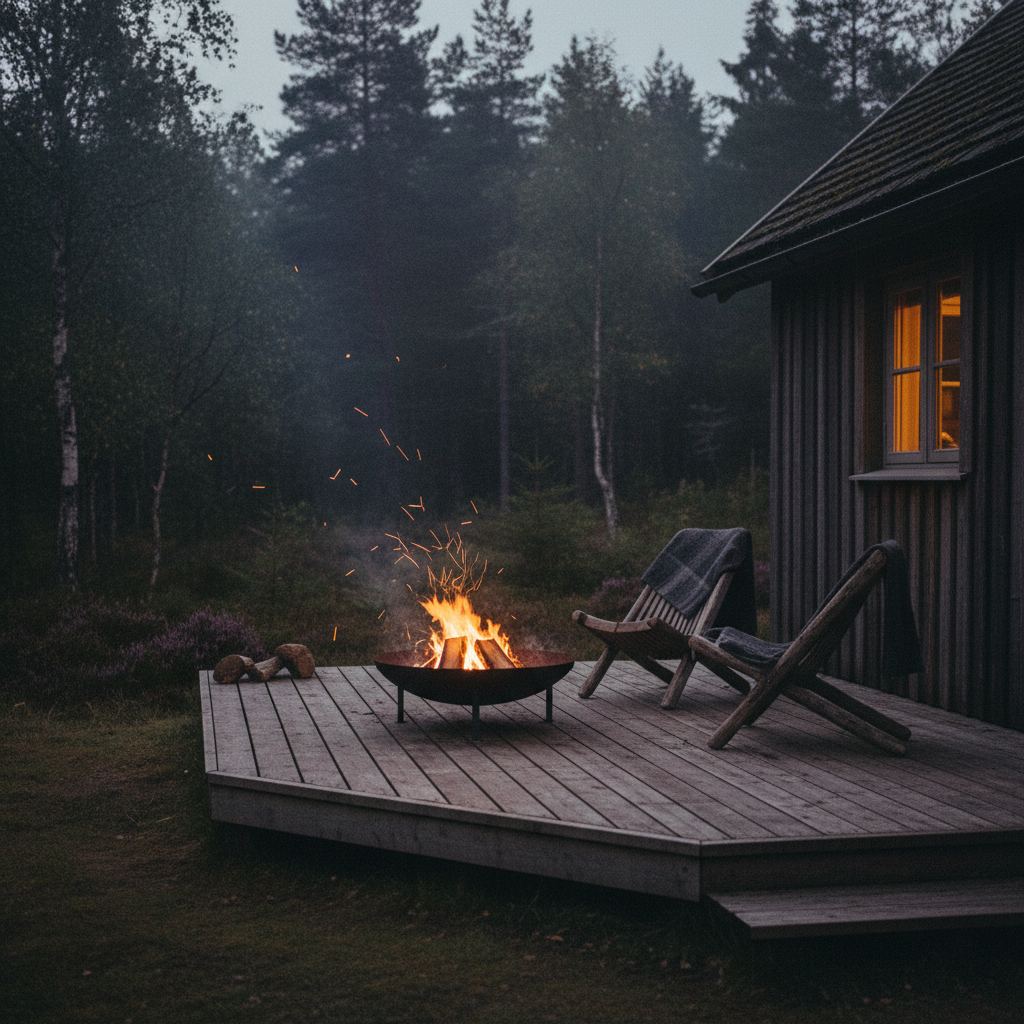
The archetype is a cosy country inn with a fire in the grate, a flagstone floor and a proper Sunday roast on the board — the kind of dog friendly local where a wet spaniel steaming by the hearth is just part of the furniture. You’ll find that sort of inn most reliably in the walking regions below, where a dog friendly welcome is the rule rather than the exception.
A truly dog friendly pub is one where nobody, staff or other customers, bats an eyelid. That’s the whole test, really.
The signs a pub is only half-heartedly dog friendly
A few flags worth knowing, because they don’t always show up in the online description: dogs allowed in the garden only, even in January rain. A single small table by the door “for dogs” while the rest of the pub stays firmly carpet and cushions. Staff who ask you to keep the dog under the table at all times with no room to stretch out. None of these make a pub off-limits — plenty of otherwise excellent pubs just aren’t built around dogs — but they’re worth knowing before you commit to a two-mile walk in the rain to get there.
Do all dog friendly pubs allow dogs off the lead?
No, and this catches people out. “Dog friendly” refers to the pub itself, not the walk to it — lead rules on the approach are usually down to the land, not the pub. Working farmland, roadside verges and anywhere with livestock will have their own rules regardless of how welcoming the pub at the end is — the Countryside Code covers the basics on keeping dogs under control near livestock. Check the route before you go, not just the destination.
Which UK areas are actually the best dog-pub country?
This is the bit that matters more than any single pub recommendation, because pubs change hands, refurbish, and occasionally decide carpets matter more than customers with dogs. Areas don’t shift nearly as fast. Pick a region that’s genuinely built around dog walkers and you’ll find a good pub without much effort.
| Region | Why it’s good pub-walk country | What to know |
|---|---|---|
| Lake District | Walking is the local economy; pubs expect wet dogs | Popular villages get packed on summer weekends |
| Peak District | Compact, walkable villages with a pub at the end of most routes | Some pubs restrict dogs to the bar side, not the restaurant side |
| Yorkshire Dales | Proper flagstone pubs, dales walking on the doorstep | Weather turns fast on open moor — the pub fire earns its keep |
| Cornwall | Coast-path pubs used to sandy paws and salty dogs | Coastal villages get very busy in peak summer |
The Lake District is the standout, and it’s not close. Fell walking there has been a dog-and-boots industry for generations, so the pubs around Ambleside, Keswick and the Langdales are, as a rule, properly set up for it — flagstones, fires, and a landlord who’ll have opinions about your dog’s breed within about thirty seconds. We’d point anyone building a trip specifically around pub walks towards this region first; our Lake District dog friendly stays page is worth a look if that’s the plan.
The Peak District rewards a similar approach but at a gentler pace — smaller, more compact villages where a pub genuinely is at the end of most circular routes, rather than a drive away. Edale, Castleton and the villages around Bakewell all have a decent spread of options. The Yorkshire Dales trades a bit of village density for bigger scenery — you’ll walk further between pubs, but the ones you find (particularly around Malham and Kettlewell) tend to be the genuine, unpretentious, dog-under-the-table kind. Cornwall does things differently again: coast-path pubs used to salty, sandy dogs coming straight off the beach, which is a slightly different (and honestly quite forgiving) kind of welcome than the fellside pubs further north.
Are there specific pubs you’d recommend?
Here’s where we’ll be straight with you: we haven’t drunk in every pub in every one of these regions, and pubs change hands, refurbish, and occasionally lose their dog friendly reputation overnight when new management decides the carpets matter more than the customers. What we’re confident about is the areas — the Lakes, the Peaks, the Dales and coastal Cornwall are all genuinely strong pub-walk country, built by decades of muddy boots coming through the door.
Our honest advice: pick your base in one of these regions, then check the specific pub’s current reviews and any recent photos before you commit to the walk — a five-minute search on the day beats trusting a list that might be a year out of date. Landlords change, dogs stay the same.
How do I plan a walk that ends at a genuinely dog friendly pub?
Work backwards from the pub, not forwards from the walk. Pick your region, then look for a pub with recent reviews specifically mentioning dogs (not just “nice beer garden”) and check it’s actually open on the day and hours you’re planning — rural pubs still do surprisingly variable weekday hours, and Christmas week or a bank holiday can catch you out if you haven’t checked. Map a route that finishes there rather than passes it halfway through, so you’re not tempted to push on past the best bit of the day.
A pub at the end of the walk changes the whole shape of the day — you plan the route around the reward instead of just hoping something turns up.
If dogs are the whole point of your trip rather than a bonus, it’s worth basing yourself somewhere built for it from the start. Our dog friendly cottages list covers stays across all these regions with proper pet policies, not just a “well-behaved dogs considered” afterthought, and a lot of them are a short walk from exactly this kind of pub. If a hot tub after the walk appeals as much as the pub before it, our hot tub lodges cover a fair few dog friendly properties too.
What should you actually pack for a pub-walk day with a dog?
Nothing exotic, but a few things separate a smooth afternoon from a faff at the door. A proper towel lives in most decent pubs’ good books already — wipe the worst of the mud and wet off before you go in, rather than leaving it to the landlord’s mat. A lead is worth carrying even in pubs that allow dogs to roam free inside, since a busy Sunday lunchtime with a toddler at the next table isn’t the moment to test how sociable your dog’s feeling. And a travel bowl, even a collapsible one, means you’re not relying on the pub having one out, however likely that is in the areas above.
Worth thinking about too: timing. Arriving at a popular Lakes or Peaks pub at 1pm on a Saturday in August with a wet dog and no booking is asking for a wait, however dog friendly the place genuinely is. Early lunch or a later, quieter evening sitting tends to get a warmer welcome purely because there’s more room to give the dog.
Does the weather change how welcome you’ll be?
A bit, honestly. A soaked dog on a wet November Tuesday gets a very different reception to a soaked dog on a heaving bank holiday Saturday — not because the pub’s attitude changes, but because there’s simply more space and less pressure on the flagstone area when it’s quiet. If you can pick your day, midweek and out of school holidays is when the best dog pubs feel most relaxed and most generous with the fuss they make of your dog.
A few honest truths before you set off
The best dog pubs are rarely the ones with a sign boasting about it. The genuinely good ones just quietly get on with it — a bowl of water, a fire, no fuss.
Region matters more than any single pub recommendation. Pubs open, close and change hands; a good pub-walk area stays a good pub-walk area for decades.
Wherever you end up, the formula’s simple: a decent walk, a pub that’s used to wet dogs rather than merely permitting them, and a fire worth drying off by. Bring good boots, bring the dog, and don’t feel you need to apologise for either.