
Pack for glamping like you’re going camping with a safety net: bring the layers and the small comforts camping teaches you to value, but trust the site for the big stuff — the bed frame, the fire pit, the roof over your head.
What does a glamping site actually provide?
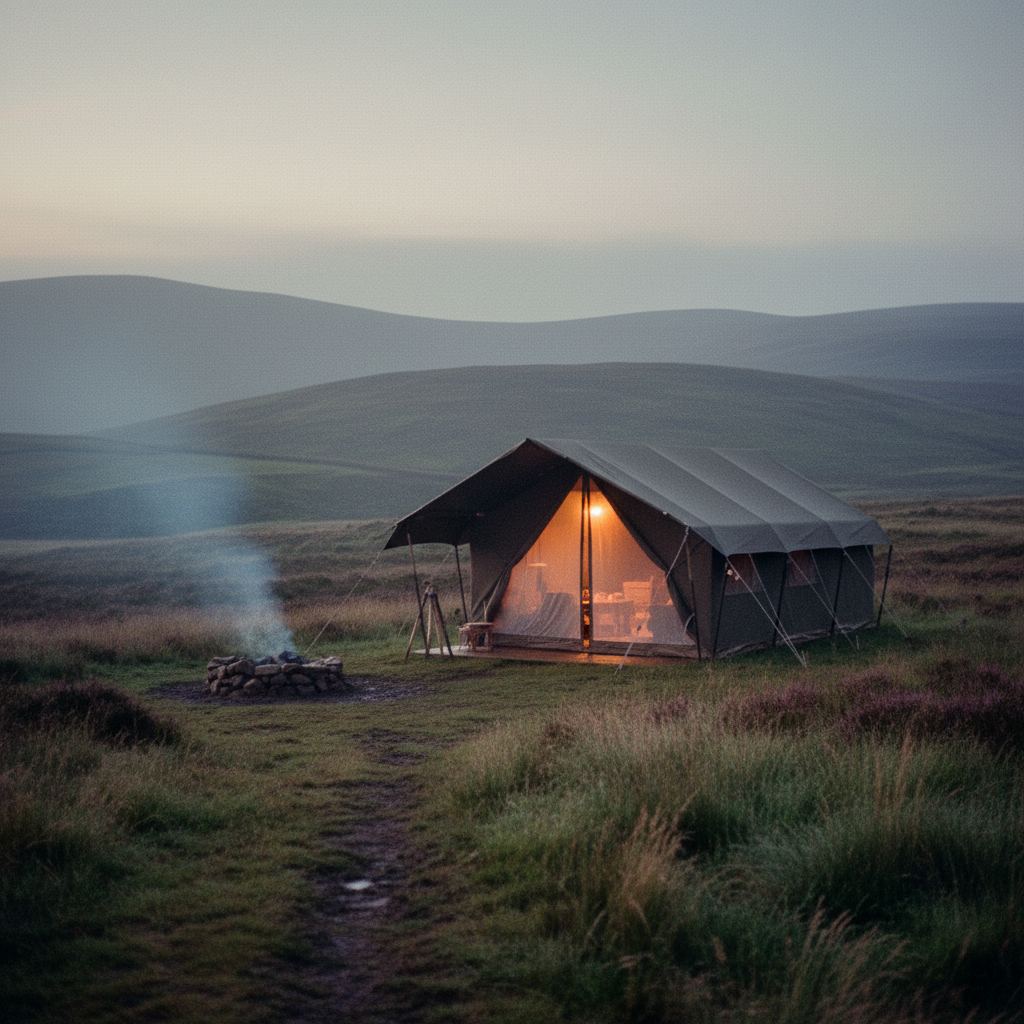
It varies more than people expect, which is exactly why it’s worth checking the listing properly before you pack. Most yurts, bell tents and shepherd’s huts come with the sleeping platform or proper bed, and many include a wood burner or fire pit as standard. Bedding, towels and cooking kit are much more of a mixed bag — some sites include everything, others give you four canvas walls and leave the rest to you. When in doubt, message the owner. It’s a five-minute question that saves you turning up without a duvet.
What should be on the glamping packing list?
Pack by season, because a June bell tent and a November shepherd’s hut are almost different trips:
| Item | Spring/Summer | Autumn/Winter | Notes |
|---|---|---|---|
| Sleeping bag or bedding | Optional if provided | Bring your own, layer up | Canvas structures run colder than they look |
| Warm layers / thermals | Evenings only | Essential, day and night | Temperature drops fast after dark, even in July |
| Head torch | Essential | Essential | Most sites have no path lighting after dark |
| Thick socks / slippers | Recommended | Essential | Groundsheets and canvas floors chill quickly |
| Firewood / firelighters | Optional (check site) | Essential, bring extra | Buy locally rather than transporting your own |
| Wellies or waterproof boots | Recommended | Essential | UK fields don’t stay dry for long |
| Reusable water bottle | Essential | Essential | Not all sites have taps near the tent |
| Dustpan and brush | Handy | Handy | Grass and mud find their way onto every surface |
| Portable charger | Handy | Handy | Power sockets are often limited or shared |
| Board games / cards | Recommended | Essential | Evenings get long once the fire’s the only entertainment |
What toiletries and washing kit should we bring?
Shared or semi-shared bathroom blocks are common on glamping sites, even at the nicer ones, so pack like you’re going somewhere between a hotel and a campsite: your own towels unless stated otherwise, flip-flops for the shower floor, and a wash bag you don’t mind carrying back and forth in the dark. If the site has a private bathroom in the structure itself, water pressure and hot water supply can still be more limited than at home, so quick showers are the norm rather than the exception — worth knowing before someone’s stood there wondering why the water’s gone lukewarm.
What kitchen and cooking kit do you need to pack?
Cooking is where glamping catches people out, because the accommodation rarely stocks a full kitchen. A well-equipped safari tent might have a two-ring hob and a few pans; a bell tent might have nothing but a fire pit and a kettle. So the glamping packing list for food is longer than you’d think: a sharp knife, a chopping board, a bottle of cooking oil (almost never provided), salt, tea and coffee, and enough washing-up liquid and a sponge to clean as you go. If you’re cooking over the campfire rather than a stove, add tongs, foil and a grill grate in case the site doesn’t supply one.
Two more things nobody remembers until they need them. A power bank or two — sockets are often shared or absent, and a dead phone is a real problem somewhere with no landline. And a small first aid kit: the nearest chemist can be half an hour away, and a blister, a splinter or a burnt finger from the fire is far more likely on a glamping trip than at home. Between decent food, a charged phone and a plaster to hand, that’s most of what separates an ultimate glamping weekend from a slightly grim one. If your pitch comes with a hot tub, throw in a towel you don’t mind getting muddy and flip-flops for the walk back.
What’s the one thing every first-timer gets wrong?
Underestimating the cold. A bell tent in the sunshine at 4pm and the same tent at 2am are two different climates, even in August — canvas doesn’t hold heat the way brick does, and groundsheets pull warmth straight out of your feet if you’re not wearing socks. Bring more layers than the daytime weather suggests you’ll need, and you’ll actually enjoy the evening by the fire instead of racing to bed just to get warm.
The best glamping kit isn’t the expensive stuff. It’s a head torch and thick socks — the two things nobody remembers until the first cold, dark trip to the loo.
Do I need to bring my own firewood?
Usually you buy it on-site or from a nearby farm shop rather than bringing it from home — transporting firewood long distances risks carrying pests like the emerald ash borer into new woodland, so local suppliers are the safer default even before you factor in the hassle of packing logs in the car. Some sites include a starter bundle in the price; check the listing so you’re not caught short on the first cold evening with nothing to burn.
What should we actually pack if this is our first time?
Keep it simple and lean on what the site provides rather than over-packing. A good UK glamping stay will tell you clearly what’s included — read that list twice before you pack, because it’s the fastest way to avoid either an empty cool box or a car full of things you didn’t need. Bring your own bedding unless it’s explicitly listed as provided, pack for cold evenings regardless of the season, and treat the first trip as a chance to learn what your own must-haves turn out to be.
Where’s a good first glamping trip in the UK?
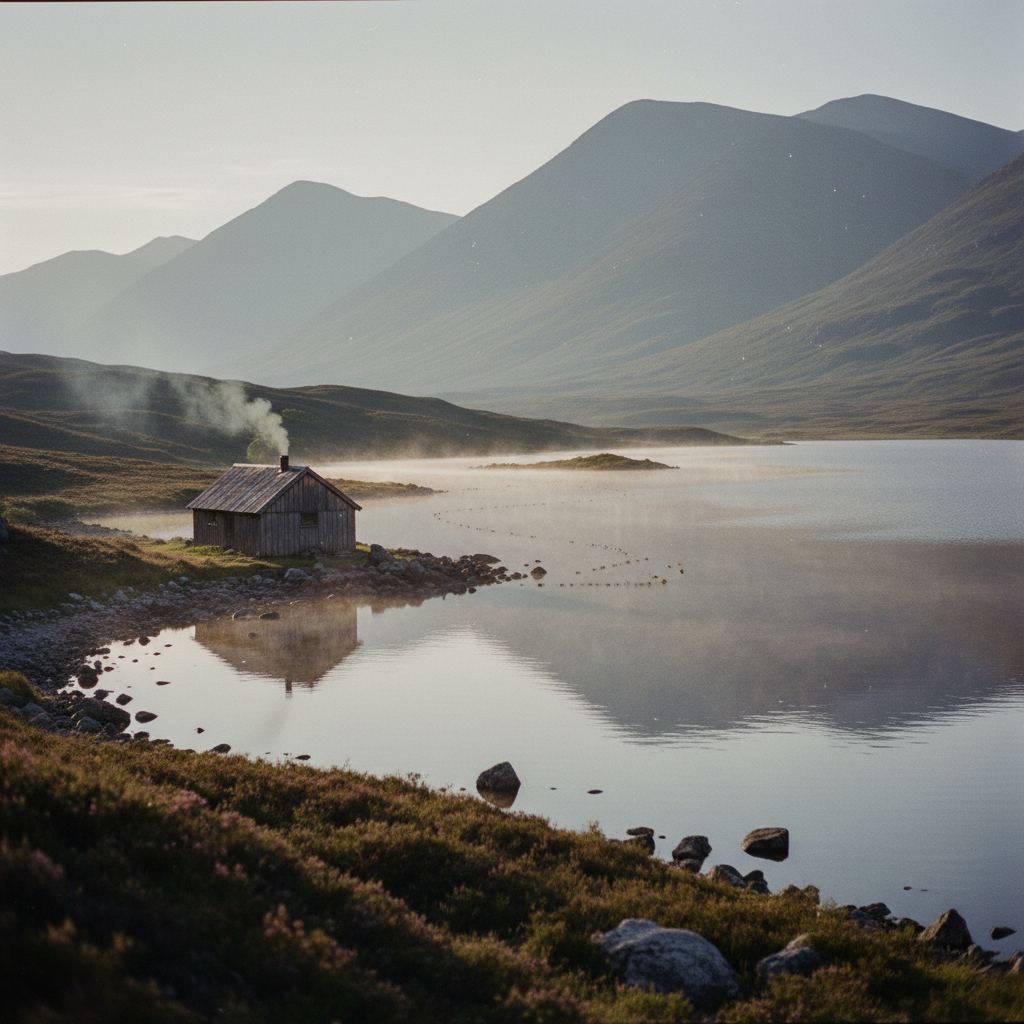
If you want scenery that does some of the work for you, glamping in Scotland is hard to beat — proper wilderness views, dark skies for stargazing once the fire dies down, and enough variety of site (pods, yurts, bell tents) that you can match the trip to how much comfort you actually want. Just pack for the cold; Scottish evenings drop faster than most of England’s.
What about food and cooking — what’s realistic?
Most sites give you either a full kitchen kit list or nothing beyond a fire pit, so check which one you’re getting before you plan meals. If cooking’s on you, a simple menu beats an ambitious one — foil-wrapped tray bakes on the fire, one-pot stews, things that don’t need six pans and a food processor. Bring a decent cool box regardless of what’s provided; fridges in shepherd’s huts and yurts are often small, and milk and meat need somewhere reliable to sit. A kettle or a way to boil water fast is worth its weight, if only for the first cup of tea before you’ve worked out where anything is.
What do families with kids need that solo trips don’t?
A bit more planning around bedtime and bathrooms, mostly. If little ones aren’t used to walking to a shared loo block at night, a portable potty in the tent saves a cold, dark trudge at 3am. Pack more entertainment than you think you need for the hour between dinner and dark — cards, a torch for shadow puppets, anything that doesn’t need charging. And bring a groundsheet or picnic blanket that’s actually waterproof underneath; kids sit on the ground far more than adults do, and damp grass finds its way through thin fabric fast.
Does the type of structure change what we pack?
A little. Bell tents and yurts breathe more than a shepherd’s hut or a wooden pod, so they feel colder overnight but also stuffier is rarely the complaint — pack the extra layer. Shepherd’s huts and pods hold heat better and often come with a proper heater, but they’re smaller, so pack light and think about where things actually go rather than assuming you’ll spread out. Either way, a small hook or two of your own (the type that grips fabric or wood without marking it) solves the “nowhere to hang a wet coat” problem almost every site has.
The habit that makes the biggest difference
Set up camp before it gets dark, every time — pitch anything you’re pitching, find the loo block, work out where the firewood’s kept, all while you can still see. Doing it by head torch on the first night is doable, but doing it in daylight is the difference between a relaxed evening and a fumbling one. Everything else about glamping is genuinely as easy as it looks.